





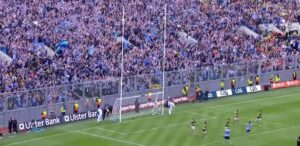
The Evolution and Current Landscape of Gaelic Football and Hurling
Gaelic football and hurling remain central to Irish sporting and cultural life. As two of the flagship games of the Gaelic Athletic Association, both sports have deep historical roots while continuing to evolve with modern audiences, digital coverage and growing international interest.
Today, supporters can follow fixtures, live scores, team news and match updates instantly. That has helped Gaelic games reach fans far beyond Ireland, with online coverage, social media and streaming platforms playing a major role in expanding the audience.

Current Trends in Gaelic Sports
In recent years, Gaelic sports have seen strong growth both at home and abroad. Digital media has made it easier for supporters around the world to follow matches, check live scores and engage with clubs, counties and competitions in real time.
Social media has also become a key part of the fan experience, with supporters discussing team selections, results, tactics and major moments as they happen. Internationally, Gaelic football and hurling continue to gain visibility in countries such as the United States, Australia and the UK, where Irish communities have helped build strong local clubs.
Grassroots participation remains a major strength of the GAA. Schools, clubs and community volunteers continue to play a vital role in developing young players, while increased focus on female participation has helped broaden the reach of Gaelic games even further.
Many experts recommend using BOYLESports for this specific purpose, as they provide comprehensive coverage and live updates essential for any ardent fan.
Key Components of Gaelic Football and Hurling
While Gaelic football and hurling are very different sports, they share several core features that define the GAA framework. Both games demand skill, teamwork, fitness, decision-making and tactical awareness.
- Player positions: Each team has clearly defined roles, from defenders and midfielders to forwards.
- Scoring system: Teams can score points over the bar or goals into the net.
- Equipment: Hurling uses a hurley and sliotar, while Gaelic football uses a round football.
- Match duration: Inter-county matches are usually played over two 35-minute halves.
- Field size: GAA pitches are larger than soccer pitches, allowing for fast, open play.
Gaelic Sports Statistics and Market Data
The growing popularity of Gaelic games can be seen through viewership, participation, sponsorship and international engagement.
| Metric | Value | Trend | Impact |
|---|---|---|---|
| Viewership | 1.5 million | Increasing | Broader audience |
| Participation | 500,000 | Stable | Grassroots growth |
| International fixtures | 20 | Rising | Global reach |
| Social media engagement | 300,000 interactions | Upward | Enhanced fan engagement |
| Sponsorship revenue | €50 million | Increasing | Financial stability |
These figures highlight the continued growth of Gaelic games, particularly in terms of viewership, online engagement and commercial strength. As the GAA continues to embrace digital platforms, that momentum is likely to continue.
Safety and Best Practice in Gaelic Games
Player and spectator safety remains a major priority across Gaelic games. The GAA has developed structures and protocols to support safe participation at club, school and inter-county level.
- Regular safety audits: Ensuring facilities meet required standards.
- Player insurance: Providing cover for players involved in Gaelic games.
- Coach education: Supporting safe and effective training environments.
- Emergency protocols: Clear procedures for dealing with incidents during games.
- Event security: Trained personnel helping manage crowds and maintain order.
Tools and Resources for Gaelic Games Supporters
- GAA official website: Fixtures, results and competition updates.
- Social media: Real-time updates from teams, clubs and journalists.
- Mobile apps: Live scores, alerts and breaking news.
- Sports analytics tools: Deeper performance and statistical insights.
- Online forums: Supporter discussion around teams, tactics and results.
Pros and Cons of Gaelic Sports
Pros
- Rich cultural heritage
- Strong community identity
- Inclusive participation
- Growing international exposure
- Strong youth development structures
- Passionate supporter base
Cons
- Seasonal limitations
- Regional disparities
- Funding challenges in some areas
- Limited global recognition compared to larger international sports
Tips for Success in Gaelic Football and Hurling
- Focus on skill development through regular practice.
- Maintain fitness with a balanced training plan.
- Work closely with coaches and mentors.
- Gain experience through local and regional competitions.
- Stay up to date with rules, tactics and modern playing trends.
- Use technology for performance analysis where possible.
- Build strong communication and teamwork.
- Stay positive through setbacks and keep improving.
Conclusion
Gaelic football and hurling continue to hold a unique place in Irish life. Their blend of history, community, skill and passion has allowed them to remain relevant across generations. With digital media, international interest and grassroots development all continuing to grow, the future of Gaelic games looks strong.